

Starting a Daily Mindfulness Practice at 50
Learn simple techniques to begin meditating, even if you've never tried it before. Just five minutes daily can make a real difference.

Why Start Meditating Now?
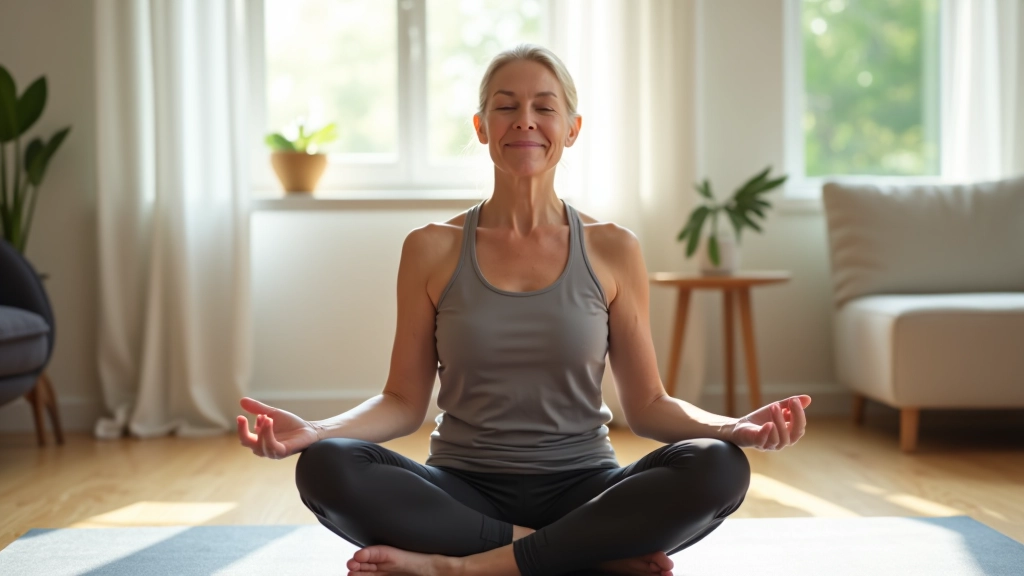
Reaching 50 isn't too late to discover mindfulness—it's actually the perfect time. You're not juggling young children anymore, you've got perspective on what matters, and you're ready to invest in yourself. The thing is, mindfulness isn't some exotic practice reserved for yoga enthusiasts. It's simply paying attention to what's happening right now, without judgment. Your mind, your breath, your body—that's all you need.
Studies show that regular meditation reduces stress, improves sleep quality, and sharpens focus. But beyond the science, people tell us they feel calmer. More grounded. Less reactive to life's daily frustrations. And it doesn't require sitting in silence for an hour. We're talking about five minutes. That's realistic. That's doable.
The Five-Minute Foundation
You don't need special equipment or a quiet room. You don't need to clear your mind completely—that's actually impossible and a common myth that stops people before they start. Meditation isn't about achieving emptiness. It's about noticing thoughts and gently returning your attention to the present moment.
1
Find Your Spot
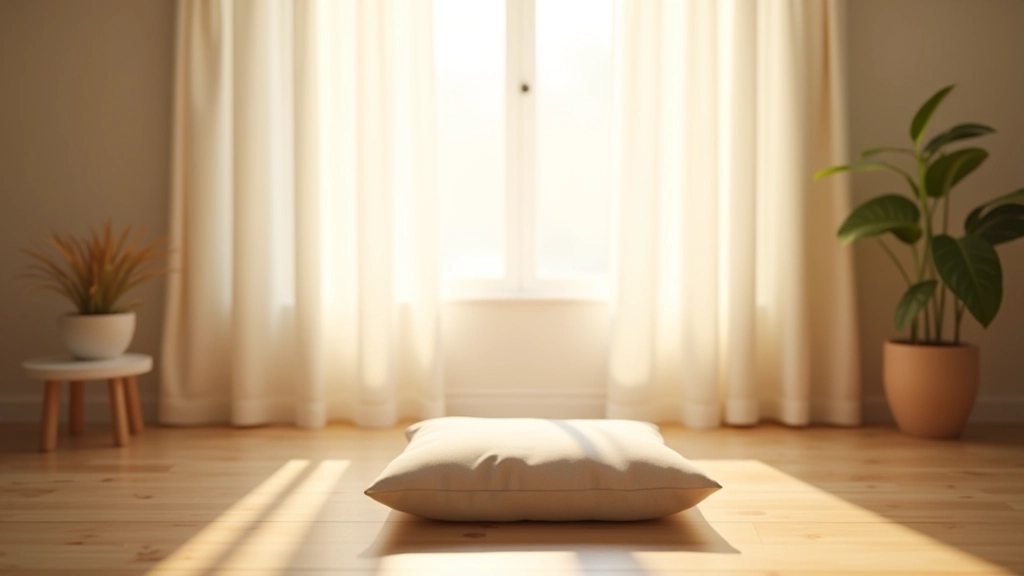
Sit comfortably. A chair, a cushion on the floor, your couch—anywhere you won't be interrupted for five minutes. Your back doesn't need to be perfectly straight. Just reasonably upright so you don't drift off.
2
Close Your Eyes
Gently close your eyes or soften your gaze downward. This helps reduce visual distractions, but it's not required. Some people prefer eyes slightly open. Do what feels natural.
3
Notice Your Breath
Don't control your breathing. Just observe it. Feel the air moving in and out. Notice where you feel it most—your nostrils, your chest, your belly. Pick one spot and keep your attention there.
4
When Your Mind Wanders
And it will. That's not failure. That's literally what minds do. The moment you notice you've drifted, gently bring your attention back to your breath. That simple return is the actual practice. You're not meditating perfectly—you're meditating.
That's it. Five minutes of this, and you've meditated. No bells or whistles required.
Making It a Habit
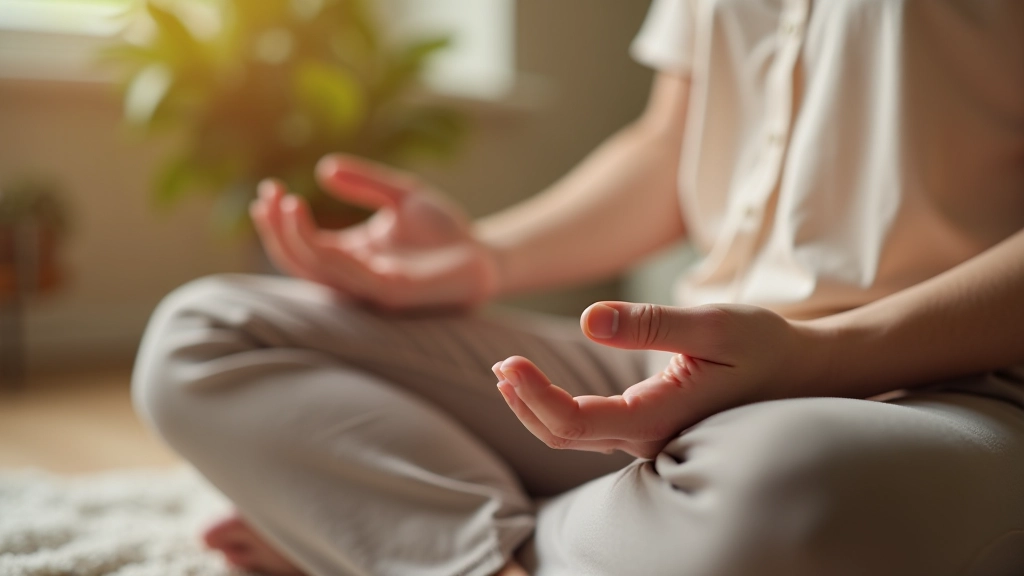
The real challenge isn't the meditation itself—it's doing it consistently. Here's what works: anchor your practice to something you already do. Morning coffee? Meditate first. Right before bed? Perfect time too. After your morning shower? Even better because you're already in a calm headspace.
You'll notice real changes around week three or four. Better sleep. Less irritability. A bit more patience with yourself and others. Stick with it for eight weeks, and you've built something that's genuinely part of your routine.
Start small on purpose. Five minutes isn't wimpy—it's strategic. It's sustainable. You're far more likely to do something for five minutes every single day than to do 30 minutes twice a week and then quit. Small, consistent practice beats sporadic heroic efforts every time.
Some days your mind will be chaos. You'll sit down and think about grocery lists, that conversation you had last week, what you're making for dinner. That's normal. That's not your meditation failing. That's your life happening. The practice is the returning, not the perfect focus.

Common Stumbling Blocks
"I Can't Quiet My Mind"
That's not the goal. You're not trying to achieve silence. You're training attention. A busy mind is completely fine. Just notice it and gently redirect. That redirection is the entire practice.
"I Fall Asleep"
Sit up straighter, meditate at a different time, or open your eyes. You're probably also sleep-deprived, which isn't a meditation problem—it's a life problem. Fix the sleep first, then reassess.
"I'm Too Fidgety"
Fidgeting isn't failure. Notice the urge to move, acknowledge it, and stay put. That pause between impulse and action is where mindfulness actually happens. You're building awareness.
"I'm Doing It Wrong"
There's no wrong way. You're sitting, you're breathing, you're noticing. That's it. Stop comparing your practice to some imagined ideal. Your meditation is perfect exactly as it is.
Important Note
This article is educational information about meditation techniques and mindfulness practices. It's not medical or therapeutic advice. If you have significant anxiety, trauma, or mental health concerns, talk with a healthcare professional before starting a meditation practice. They can help you find an approach that's right for your specific situation. Meditation is a helpful tool, but it works best alongside proper professional support when needed.
Your Practice Starts Today
You don't need to wait for the perfect moment or the perfect conditions. You don't need an app or a special cushion or years of yoga experience. You just need five minutes, a place to sit, and willingness to try something different.
At 50, you've got perspective. You know what actually matters. You've learned that self-care isn't selfish—it's maintenance. Starting a meditation practice now means you're choosing to be more present for the second half of your life. You're choosing to notice the good moments instead of sleepwalking through them. You're choosing to be kinder to yourself.
That's worth five minutes a day.
Related Articles